Call Now and Save!
1-866-941-5112

Rigid vs Flexible Chimney Liner
Categories:
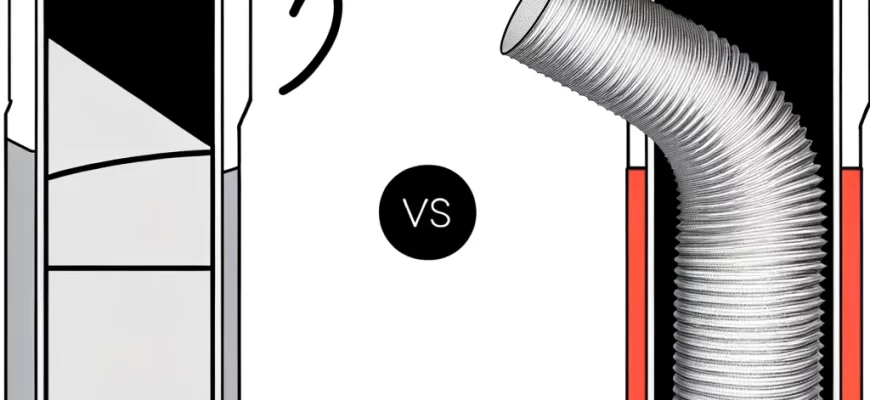
When it comes to ensuring the safety and efficiency of your chimney, selecting the right type of liner is crucial. Chimney liners serve to protect your home from heat transfer and prevent the accumulation of hazardous gases. Among the options available, stainless steel liners stand out for their durability and effectiveness. However, within this category, you must choose between rigid and flexible liners. This article will delve into the differences between rigid and flexible chimney liners, helping you make an informed decision based on your specific needs.
Understanding Rigid Chimney Liners
Rigid chimney liners are made from solid, straight sections of stainless steel and are best suited for chimneys with a straight path without any offsets or significant bends.
Advantages:
Durability: Rigid liners are incredibly durable and resistant to corrosion and heat, making them ideal for wood-burning appliances.
Efficiency: They offer a smooth interior surface that improves airflow and draft, enhancing the efficiency of your heating appliance.
Longevity: With proper maintenance, rigid liners can last for decades, providing a long-term solution for your chimney.
Disadvantages:
Installation Challenges: Rigid liners can be difficult to install in chimneys with bends or offsets. The installation process may require more extensive modifications to the chimney structure.
Cost: Due to their durability and material quality, rigid liners can be more expensive upfront than their flexible counterparts.
Understanding Flexible Chimney Liners
Flexible chimney liners, on the other hand, are made from corrugated stainless steel that can bend and adjust to the contours of your chimney. This flexibility makes them suitable for chimneys with bends, offsets, or irregular shapes.
Advantages:
Versatility: Flexible liners can be maneuvered through complex chimney structures, making them ideal for retrofitting older chimneys that do not have a straight path.
Ease of Installation: The flexibility of these liners significantly simplifies the installation process, often resulting in lower labor costs.
Adaptability: They can accommodate the expansion and contraction caused by temperature changes, reducing the risk of damage over time.
Disadvantages:
Maintenance: The corrugated interior surface can accumulate creosote and soot more easily than the smooth surface of rigid liners, potentially requiring more frequent cleaning.
Durability: While still highly durable, flexible liners may not last as long as rigid liners in certain conditions, especially when used with high-temperature appliances like wood stoves.
Choosing Between Rigid and Flexible Liners
The choice between rigid and flexible chimney liners depends on several factors:
Chimney Structure: If your chimney is straight without any offsets, a rigid liner may be the best option. For chimneys with bends or irregular shapes, a flexible liner will be necessary.
Type of Appliance: Wood-burning appliances that produce high temperatures and corrosive by-products may benefit more from the durability of rigid liners. Flexible liners, however, can be a good choice for gas or oil appliances.
Installation Considerations: If ease of installation and lower initial costs are priorities, flexible liners offer advantages. For those focusing on long-term durability and performance, rigid liners may be preferable.
Conclusion
Both rigid and flexible chimney liners have their place in maintaining the safety and efficiency of your chimney system. Your specific situation—considering your chimney’s architecture, the type of fuel you use, and your budget—will determine the best option for you. Regardless of your choice, ensuring that your chimney liner is correctly installed and regularly maintained is key to protecting your home and ensuring the efficient operation of your heating appliance.
Why Choose Stainless Steel Chimney Liner
Categories:

Choosing the right material for your chimney liner is crucial for the safety, efficiency, and longevity of your chimney system. Among the various options available, stainless steel stands out as the premier choice for homeowners and professionals alike. This article explores the compelling reasons why a stainless steel chimney liner is often the best option for your home.
Durability and Longevity
One of the most significant advantages of stainless steel chimney liners is their exceptional durability. Stainless steel is highly resistant to corrosion and rust, which are common issues with other materials exposed to the harsh conditions inside a chimney. This resistance ensures that your stainless steel liner can withstand the acidic by-products of combustion, moisture, and extreme temperatures without deteriorating over time. As a result, stainless steel liners often come with longer warranties, some extending for the lifetime of the liner, providing peace of mind and reducing long-term costs.
Improved Safety
Safety is a paramount concern when it comes to chimney operation. Stainless steel chimney liners provide a secure conduit for harmful gases produced during combustion to exit your home. Their robust construction minimizes the risk of cracks and gaps that can occur in older clay tile liners, significantly reducing the likelihood of carbon monoxide leakage or chimney fires. By maintaining a consistent flue size and smooth surface, stainless steel liners also improve draft, further enhancing the safe operation of your fireplace or stove.
Versatility
Stainless steel liners are suitable for all types of fuels, including wood, gas, oil, and coal. This versatility makes them an ideal choice for any heating appliance, whether you are installing a new system or upgrading an existing one. Additionally, stainless steel liners can be fitted into any chimney, regardless of its shape or size, thanks to flexible and rigid options. This adaptability ensures that homeowners can benefit from the advantages of a stainless steel liner, no matter their specific requirements.
Energy Efficiency
Installing a stainless steel chimney liner can enhance the energy efficiency of your heating system. The smooth interior surface of stainless steel improves airflow and reduces the buildup of creosote, ensuring that your fireplace or stove operates more efficiently. This can help in reducing fuel consumption and lowering heating costs. Furthermore, the tight seal formed by a properly installed stainless steel liner prevents heat loss, keeping your home warmer during the colder months.
Ease of Maintenance
The maintenance of a chimney liner is critical for its performance and safety. Stainless steel liners are easier to clean compared to other materials, as their smooth surface allows for the efficient removal of soot and creosote. This ease of maintenance not only simplifies the cleaning process but also contributes to the overall safety and efficiency of your chimney system.
Conclusion
Choosing a stainless steel chimney liner offers numerous benefits, including durability, safety, versatility, energy efficiency, and ease of maintenance. These advantages make stainless steel an ideal material for homeowners seeking to enhance the performance and safety of their chimney systems. With its long-term value and proven performance, a stainless steel chimney liner is an investment in the safety and comfort of your home.
Chimney Liner Depot offers the best price on Stainless Steel Chimney Liners because we own the factory that manufactures them, ensuring no middlemen inflate your costs.
The Essential Guide to Chimney Top Plates: Ensuring Safety and Efficiency
Categories:

A well-functioning chimney is crucial for maintaining the safety and efficiency of any fireplace or wood-burning stove. Among the various components that make up a chimney system, the chimney top plate plays a significant role in protecting your home from external elements while allowing for proper ventilation. In this article, we will explore the importance of a chimney top plate, its functions, and why investing in a high-quality product is essential. If you’re looking to enhance your chimney’s performance, read on!
Understanding the Chimney Top Plate:
The chimney top plate, also known as a chimney cap or chimney crown, is a protective covering that sits at the topmost part of a chimney. It serves as a barrier against rain, snow, debris, and animals, preventing them from entering the chimney and causing potential damage. Furthermore, a well-designed chimney top plate also facilitates proper airflow, preventing downdrafts and ensuring efficient ventilation.
Functions and Benefits:
Weather Protection: The primary purpose of a chimney top plate is to shield your chimney from the elements. Rainwater and melting snow can cause significant damage to the interior of your chimney, leading to costly repair. By installing a top plate, you can prevent water entry, preserving the structural integrity of your chimney and avoiding potential leaks.
Debris and Animal Prevention: Leaves, twigs, and other debris can find their way into an unprotected chimney, creating blockages and reducing airflow. Additionally, birds, squirrels, and other small animals may attempt to build nests in chimneys, posing a fire hazard. A chimney top plate acts as a barrier, preventing debris and animals from entering your chimney, ensuring a clear and safe passage for smoke and gases.
Increased Ventilation Efficiency: Proper ventilation is crucial for maintaining optimal performance and preventing harmful gases, such as carbon monoxide, from accumulating in your home. A well-designed chimney top plate helps create a balanced airflow, reducing the likelihood of downdrafts and improving overall ventilation efficiency.
Invest in Quality:
When it comes to chimney top plates, investing in a high-quality product is of utmost importance. Opting for a durable and well-constructed chimney top plate ensures long-lasting protection for your chimney and reduces the need for frequent replacements or repair.
At Chimney Liner Depot, we take pride in manufacturing top-quality chimney top plates that guarantee superior performance and longevity. As the owners of the factory where our products are made, we have full control over the manufacturing process, ensuring strict quality control measures are followed. By choosing our chimney top plates, you can trust that you are investing in a product that will enhance the safety and efficiency of your chimney for years to come.
A chimney top plate is an essential component of any chimney system, providing protection against the elements, preventing debris and animals from entering, and improving ventilation efficiency. To ensure maximum safety and longevity for your chimney, it is crucial to invest in a high-quality chimney top plate. At Chimney Liner Depot, we offer top-of-the-line chimney top plates, manufactured with the utmost care and quality control. Purchase our chimney top plates today, and rest assured that your chimney will receive the protection it deserves. Quality guaranteed, as we proudly own the factory where our products are made.
Checkout our complete list of Top Plate products.
If you need assistance with the installation of your chimney top plate, don’t hesitate to contact Spring Hill Chimney, your trusted experts in chimney services
Chimney Repair – NEPA, Scranton, Moscow, Gouldsboro, Dupont, Wilkes Barre
Categories:

If your chimney needs to be cleaned and you live in Scranton, Pennsylvania, you can rely on Spring Hill Chimney Service. They’re a full-service chimney company that can handle projects of all sizes. They’re proud of their work and they’ll always make sure you’re happy with the service you receive.
At their company, they specialize in installing stainless steel chimney liners. What makes them unique is that they have their own factory where they make all the stainless steel chimney liners and components they install. If you want to see for yourself how their chimney liners are the best quality and value, just ask to see some samples.
They install high-quality stainless steel chimney liners.
If you need to get your chimney fixed in Olyphant, PA, Spring Hill Chimney Service is the best company to call! They’ll make sure your chimney is repaired quickly and efficiently.
They can make anything you want out of metal!
CHIMNEY REPAIR SERVICES:
Chimney Repairs of all kinds
Stainless Steel Chimney Relining
Chimney Cleaning
Chimney Inspections
Fireplace or Chimney Troubleshooting
Chimney Waterproofing
Chimney Caps
Custom Stainless Chase Top Installation
New Chimneys Built / Chimney Installation
Firebox Rebuilds
Smoke Chamber Repair
Chimney Removal
Project Gallery:


Now is a fine time to reline your chimney
Categories:
Many people think that when the cold weather hits that they should probably wait until next year to tackle the chimney relining project they have been planning. The truth is it’s easier to do any outside project when the weather is nice. However, now is a great time to purchase a stainless steel chimney liner. We are running specials every day that can save you a decent amount of greenbacks. Give us a call today at 1-866-941-5112 for help with your chimney relining project. Click here to answer a few questions online about your chimney relining project and we will recommend a product that best suites your needs.
Professional Grade Class A Chimney Pipe
Categories:

Installing a Class A chimney system is definitely a project a competent DIYer can handle. If you are familiar with building techniques and know your way around your home, you can feel confident installing a chimney system. We can help you select the proper components. Give us a call today for assistance with your Class A Chimney project, 1-866-941-5112.
Adapters
Categories:
Sometimes installing a Stainless Steel Chimney liner for your fireplace insert can be difficult. Sometimes the flue outlet is too far forward and you cannot directly connect the chimney liner to the stove. You may feel like it is impossible to do, but there is an adapter that can make your life easier. Check out these 2 adapters that could be a life saver.
The first one is a boot adapter, it gives you and angled positive connection when the liner is coming down at and angle and doesn’t make a flush fit into the stove.
The second is a offset box adapter when you cannot pull the liner far enough forward to insert into the stove. Knowing that these products exists could save your day.


Have you tried our Live Chat???
Categories:
Tags:
Do you have questions and need help sometimes while you are browsing our site? Do you not feel like picking up the phone and talking to someone and asking for help? Remember there are no dumb questions. Ask for help before you buy the wrong item.
Click the live chat button, we almost always have live Tech help online waiting for you. If they are away from the computer, leave us a message and we will get back to you asap. Always ask before purchasing.

Facebook Deals
Categories:
Don’t forget to check us out on Facebook. We have secret sales only listed on Facebook.

Our Flexible Chimney Liners
Categories:
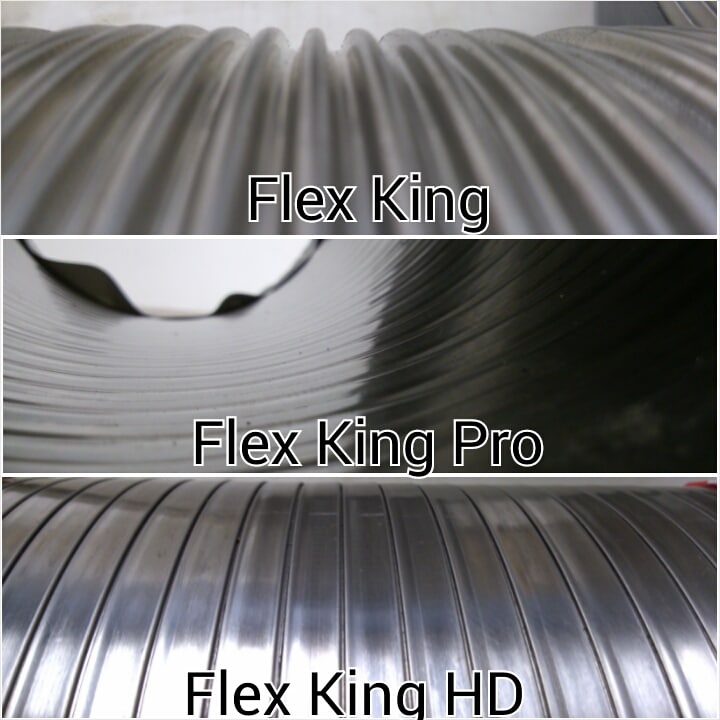
The Flex King Pro has a smooth inner wall making it a great liner for wood or coal. It increases draft and reduces creosote buildup with the use of wood burning appliances. The Flex King Pro can used for all fuels. It is a great option to use with gas and oil appliances because it can handle 25% more BTU’s than the standard Flex King Liner.
The Flex King HD is best to use if you have a wood stove or furnace that you plan on burning all winter. If you rely on the wood stove to heat your home, this is the liner you need! It is the strongest, most durable flexible liner we make. As you can see it is also smooth reducing creosote build up.
All of our Chimney Liners are UL listed to UL1777.
Why insulate your stainless steel chimney liner?
Categories:
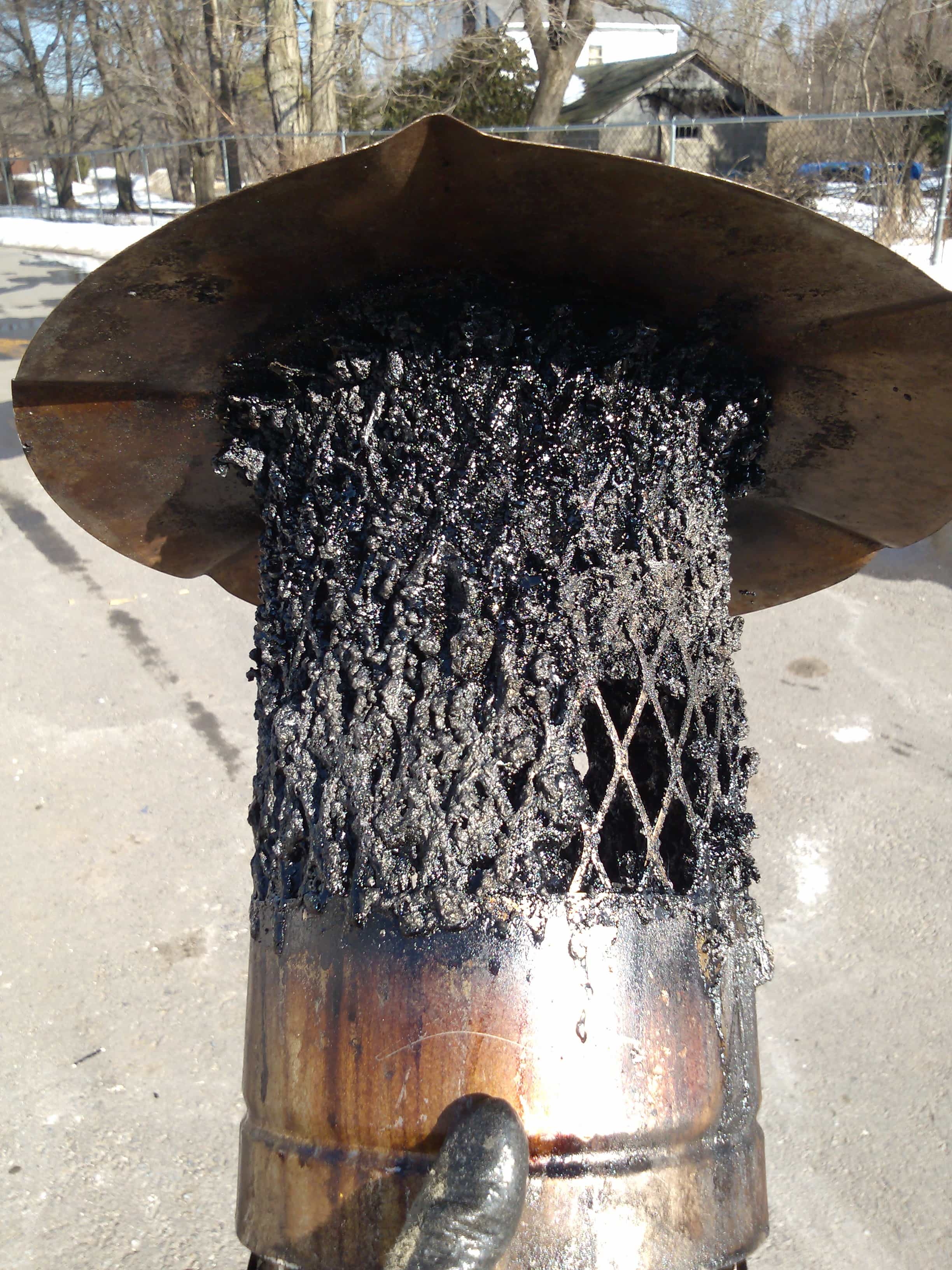
Basically you need insulation for safety and performance. The safety issue is a no brainer. Keep the extremely high temperatures that can reach 2100 degrees away from your home and prevent a house fire.
The second reason, performance, is a more difficult one to understand for some. Here is a picture of a cap from a customer who did not use insulation around the stainless steel chimney liner. The smoke cools down too much and creates creosote. The screen was almost completely blocked on this rain cap.
Winter is still here
Categories:
If you have been thinking about putting off the installation of a new stainless steel chimney liner, you should think twice. Chimney Liner Depot has great pricing on standard chimney liner kits. We can also build you a custom package to fit your unique chimney liner needs.
We carry several types of flexible chimney liners to fit any unique situation. We also offer rigid chimney liner for any chimney that is straight. Flexible chimney liners are perfect for when your chimney has bends in it, if it’s straight your best bet is to install a rigid chimney liner.
If you live in the North East you have no doubt been experiencing a tough winter. It’s been cold and that means increased stress on your venting system. Call us today to discuss your chimney lining project.
7″ Flex Liner Elbow Sale!!!!
Categories:
We have a surplus of 7″ flex liner elbows, both 45 degree and 90 degree elbows. Call now and ask for a 25% discount on these elbows. All other elbows are normal price.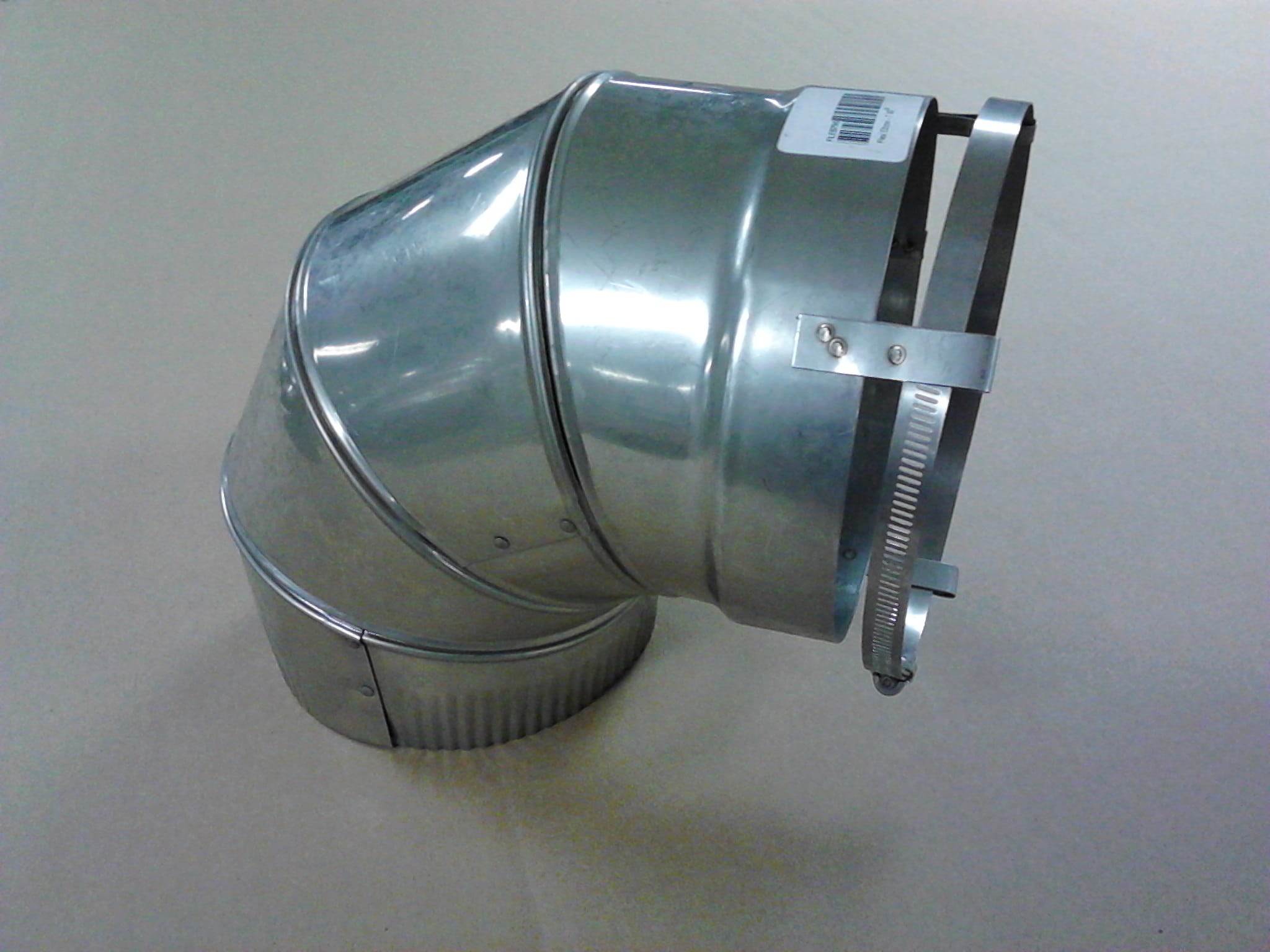
Don’t forget to check us out on Facebook for special offers also. www.Facebook.com
Skip the Middle Man
Categories:
Why would you go to a car dealership to buy a car if you could go right to the factory and get the same car at a huge discount?
That is the question we ask ourselves all the time. Why would anyone not buy a chimney liner from us?? We are the manufacturer, we make all our stainless steel products, never purchased overseas and resold to you. Skip the middle man and save big time.
Buy from us and SAVE!!!
#1 in Customer Service!!!
Categories:
“I recently purchased a liner system for my chimney from y’all. I wanted to take the time and say THANK YOU! for the excellent service, fast delivery, and for Henry’s extreme patience and help with all my incessant questions. I have recommended your company to quite a few of my associates and I’m sure they will be happy too!”
Regards, Jeff
We love hearing from our Customers!!
Categories:
Please tell us about your great experience with Chimney Liner Depot on our Facebook page. You will also receive special promotions and coupon codes only advertised on Facebook.
Here is our latest customer feedback:
“Last Thursday, 9/12/13, I ordered a chimney liner kit from you. I ordered a 6’X20′ Flex King liner kit with cap, tee, liner and top plate. On Friday 9/13 I received a tracking email and by the time I got home from work it was there!
I recently hurt my shoulder in an accident and am one arm down. I enlisted the help of my father to do the install. After getting the parts laid out and prepping the work area, my dad and my disabled self had the whole liner installed and ready to go within 2 hours!
I really appreciate your professional service and complete kits. I researched these liners for 2 years before I made this purchase and just wanted to say thanks and you are appreciated.”
-Mike Snow
Winter is coming!!!
Like it or not, snow and ice will soon be here. This means cold temperatures and firing up the stove and furnace. This year let us help you make sure your chimney is safe. The purpose of a chimney liner is to contain all of the harmful exhaust that is released from your appliance. These harmful gasses can leak into your home if your chimney does not have a liner.
With a stainless steel chimney liner all of the smoke and carbon monoxide is contained within the one piece flexible liner. This means your chimney and more importantly your family will be safe this coming winter and forever.
Don’t wait any longer to purchase your chimney liner. Call us today at 1-866-941-5112 to get the best pricing available.
Special offers on Facebook!!
Categories:
Do you want special offers and the latest news on our product line? Like us on Facebook and you will be notified of promotions only advertised via Facebook.
Chimney liners are not cheap. We all want to save some money. We can help you with purchasing the highest quality chimney liner at the best price. We are the manufacture of all our stainless steel chimney liners and components. You can save even more by following us on Facebook.

Why buy a Chimney Liner now?
Categories:
Why should you buy a chimney liner now? Some people think they will now wait until spring to install a chimney liner. There are multiple reasons to install a chimney liner now and not wait.
First, it can be very dangerous to wait. The chimney may appear to be in good condition on the outside but the inside could be a different story. Chimneys deteriorate from the inside out. So even though the outside looks good the inside, the flues, could be cracked and allowing poisonous gasses into your home.
Second, prices are going up. As you can see, we are the cheapest online because we are the manufacture of the chimney liner. But our prices will increase soon. So buy now to save money and keep your family safe.
Installing a Wood stove
Categories:
Tags:
Are you planning on installing a wood stove this winter? Is the high price of heating oil making you think about using alternative fuels? If so you have come to the right place for help installing a wood stove safely.
One of the most important parts of installing a wood stove is making sure your chimney is safe. To make your chimney the safest it can be, you need to install a stainless steel chimney liner with insulation. The best chimney liner available is our rigid chimney liner. If your chimney has bends or turns, we recommend installing the Flex King Pro HD.
The Flex King Pro HD is specifically designed to handle the exhaust of a wood burning appliance. Installing a wood stove can save you hundreds of dollars on your heating bill. Let us help you save hundreds of dollars on making your family and chimney safe this winter.

Chimney Repair Season is Here
Categories:
Even though it is summer time, the chimney season is right around the corner. Now is the time to get good deals on flexible chimney liners and other chimney repair products. Chimney Liner Depot offers high quality american made chimney relining products. We are experts at what we do, so give us a call and let us help you with your chimney relining project.
Click here for the best pricing on quality chimney liners.
Gas Boiler Chimney Flue Liner
Categories:
If you are installing a gas boiler you most likely will need a chimney liner. If you don’t need one now, you will need one soon. A gas boiler vents a lot of condensation and acid residue into a clay flue liner. This type of venting is very damaging to a masonry chimney. The best way to protect your masonry chimney is to install a stainless steel chimney liner.
A stainless steel chimney liner is guaranteed to last forever. Save yourself lots of money and labor by installing a stainless steel liner at the time of the gas boiler installation.
Give us a call at 1-866-941-5112 and we will help you determine the proper size chimney liner for your chimney.
Chimney Liner Types
Categories:
When relining a chimney there are several types of chimney lining systems available. Chimney Liner Depot carries flexible and rigid chimney liners.
A rigid chimney liner is hands down the best chimney liner available. It’s glass smooth interior promotes excellent chimney draft and makes it harder for creosote to stick to than traditional liners. The only problem with rigid chimney liners is that it is not always a chimney lining system that will fit in a chimney. In order for a rigid chimney liner to fit in a chimney, the flue must be perfectly straight.
If your chimney flue is not straight a flexible chimney liner is what you will need to install. Chimney Liner Depot carries several lines of flexible chimney liner. Give us a call today to discuss your chimney relining requirements and we will help you figure out the best solution.
Is it too hot in June to install a chimney liner?
Categories:
Remember that summer is always over before we know it. If you need a chimney liner for a fireplace insert, for a gas boiler, or oil furnace… now is the time to get moving on the project. If you want to do the job yourself, you need to call Chimney Liner Depot and let our trained staff help you with the chimney relining project.
We have the highest quality chimney liners on the market at very competitive pricing. All our stainless steel chimney liners carry a lifetime warranty.
Call us today, 1-866-941-5112
What makes Chimney Liner Depot different?
Categories:
Chimney Liner Depot: Who are we?
Chimney Liner Depot is different from other online chimney liner dealers because we are not just a dealer. Almost every online store you see selling chimney liners is just that, an online store and nothing more. They buy their product from one place and resell and have it shipped to your home at a higher price. Chimney Liner Depot is the manufacturer. We do not just have a website but we also have a factory.
Chimney Liner Depot: What do we make?
Chimney Liner Depot offers a full line of stainless steel chimney liners. We make in house, flexible chimney liner, rigid chimney liner, single flue chimney caps, multi-flue chimney caps, chase covers, stove pipe and much more. We are constantly expanding our product line. So keep up with us on our press releases to see what Chimney liner Depot has in store for the future.
Chimney Liner Depot: Why are we in the Business?
Chimney Liner Depot is in the chimney field because we care about people. We saw that there are so many homes that need chimney repairs. We know that a great deal of people are going to do their own chimney repairs. There are a lot of chimney sweeps/chimney repair companies out there who do a great job. The fact remains that there will always be do-it-yourselfers. If they are going to tackle chimney repairs we want them do it right. We decided to design a website and train our staff to help the average homeowner install a chimney liner correctly. Chimney Liner Depot is here to help you make sure our family is safe and the job is done right.